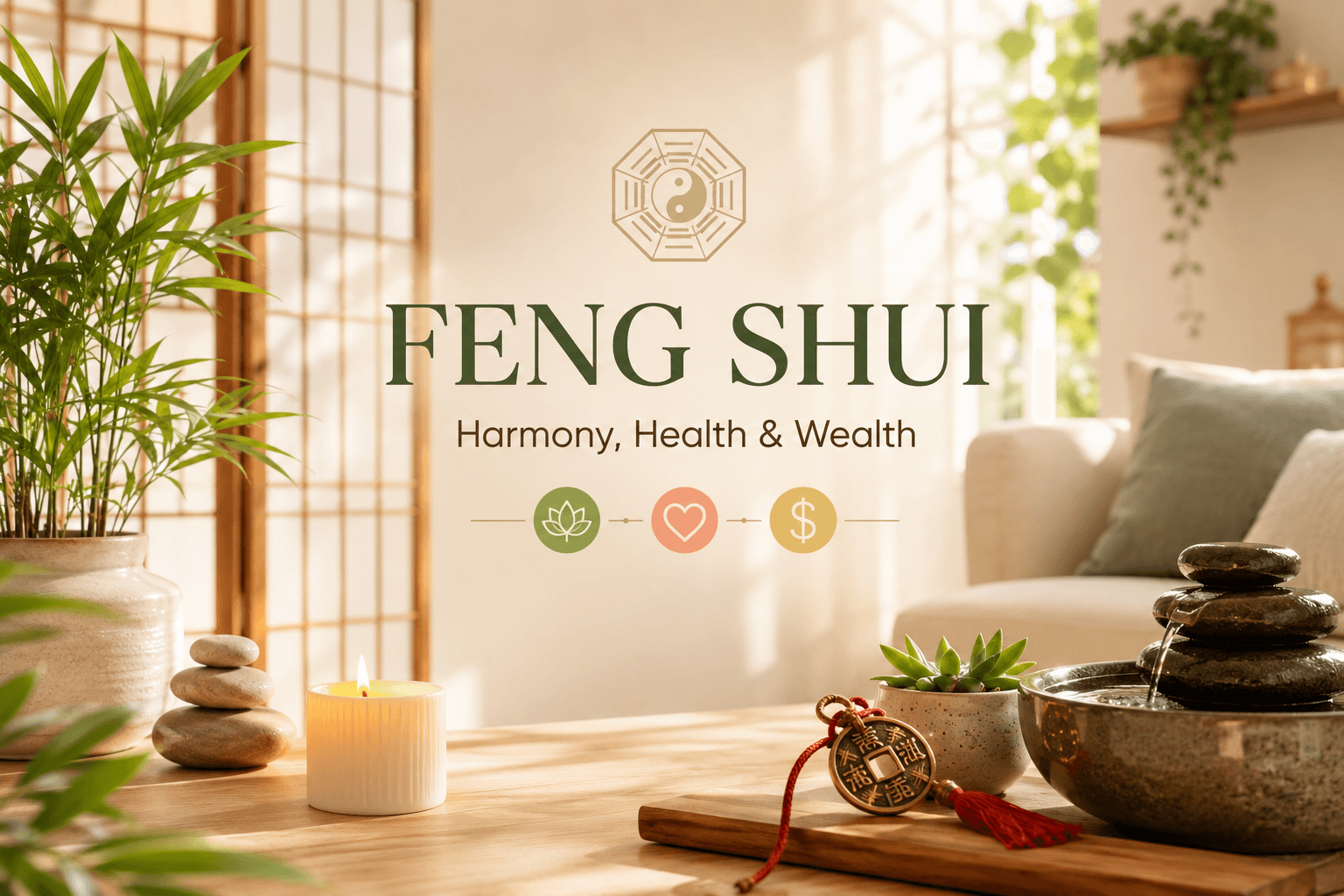
Feng Shui: Simple Changes That Can Bring More Balance to Your Home
Have you ever walked into a room and instantly felt relaxed, while another space made you feel restless for no obvious reason? Feng Shui is built on the idea that the way we arrange our surroundings can influence how we feel, think, and live.
Rooted in ancient Chinese philosophy, Feng Shui focuses on creating harmony between people and their environment. While some people see it as a spiritual practice and others simply view it as thoughtful interior design, its core message is surprisingly simple: a well-organized, balanced space often helps create a calmer mind.
What Is Feng Shui?
The term Feng Shui translates to "wind" and "water," two natural forces associated with balance and flow. The practice encourages the smooth movement of Qi (Chi), often described as life energy, throughout your home.
You don't need to renovate your house or buy expensive decorations to experience its principles. Small, intentional changes can make your home feel brighter, more welcoming, and easier to enjoy.
Want to know more about Feng shui? Click here.
Start With Decluttering
One of the most practical lessons from Feng Shui is that clutter blocks both physical and mental flow. A crowded room can make it harder to relax and even more difficult to focus.
Begin with one area instead of trying to organize everything at once. Clear unnecessary items from your desk, tidy your entryway, or organize your bedroom. Even a small improvement can make a noticeable difference.
Let Natural Light In
Natural light is considered a symbol of positive energy. Open your curtains during the day whenever possible and allow fresh air to circulate through your home.
If your space doesn't receive much sunlight, use warm lighting, healthy indoor plants, and mirrors to make the room feel brighter and more open without making it look overcrowded.
Arrange Furniture With Intention
Furniture placement matters more than many people realize. Whenever possible, position your bed, desk, or sofa so you can easily see the entrance to the room without sitting directly in line with the door. This arrangement often creates a greater sense of comfort and security.
It's also helpful to leave clear walking paths instead of filling every corner with furniture.
Use Colors to Support the Mood
Color plays an important role in creating atmosphere.
Soft greens and blues encourage relaxation, earthy tones create stability, while warmer shades like red can add energy when used in moderation. Instead of repainting your entire home, consider introducing these colors through cushions, artwork, or decorative pieces.
Bring Nature Indoors
Plants are one of the easiest ways to make a room feel alive. Healthy greenery can soften a space, improve its appearance, and strengthen the connection with nature.
Choose plants that are easy to maintain and avoid filling every corner. Balance is one of the main ideas behind Feng Shui.
Feng Shui Is About Balance, Not Perfection
Many beginners assume there are strict rules they must follow, but modern Feng Shui is often more flexible than that. The goal isn't to create a picture-perfect home—it's to create a space that supports your daily life.
If a room feels peaceful, functional, and comfortable, you're already moving in the right direction.
Feng Shui isn't about superstition or expensive home makeovers. At its heart, it's a reminder that our surroundings influence our well-being. By reducing clutter, welcoming natural light, arranging furniture thoughtfully, and adding touches of nature, you can create a home that feels calmer and more balanced.
The best part is that you don't have to do everything at once. Start with one small change, notice how your space feels, and build from there.
Want to go deeper? The Feng Shui for Modern Living E-Book offers room-by-room guidance, checklists, and practical remedies—whether you own your home or rent.
Get the E-Book