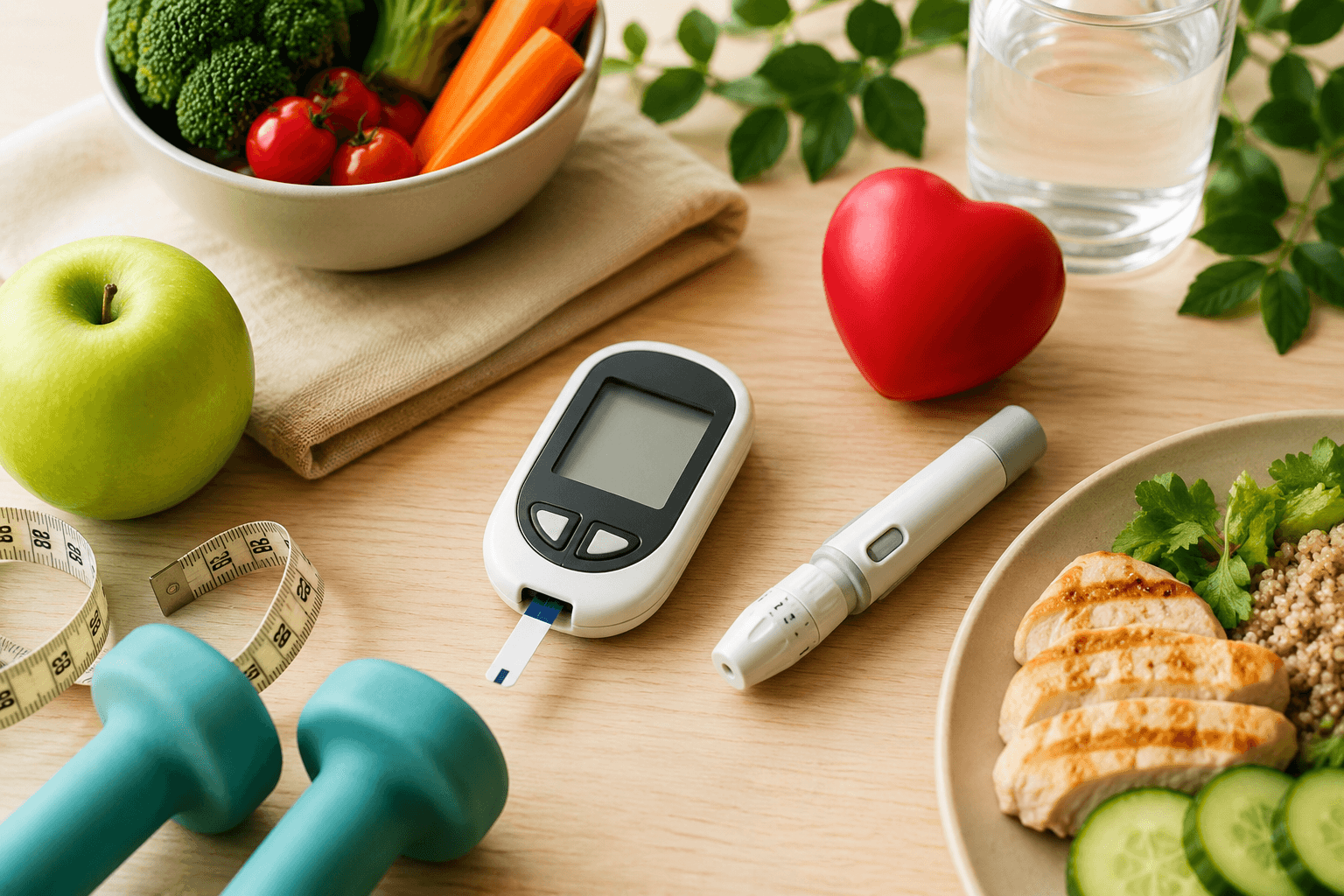
Why Blood Sugar Monitoring can Help You Manage Diabetes with Confidence
Diabetes is no longer a health concern we can afford to think of as something that only affects older adults. It is becoming increasingly common around the world, particularly in low- and middle-income countries.
According to the International Diabetes Federation, an estimated 589 million adults aged 20--79 were living with diabetes in 2024, and that number is projected to reach 853 million by 2050. The situation is particularly important in Pakistan, where the IDF estimates that the age-standardised prevalence of diabetes among adults was 31.4% in 2024.
These numbers make one thing clear: understanding diabetes and learning how to manage it should be part of everyday health awareness.
Diabetes Self-TrackerWhat Is Diabetes?
Diabetes is a chronic condition in which the body either does not produce enough insulin or cannot use insulin effectively. Insulin helps move glucose from the bloodstream into cells, where it can be used for energy.
When blood glucose remains too high, it can gradually damage blood vessels, nerves, the kidneys, eyes, and other organs. The good news is that diabetes can often be managed effectively with healthy habits, medication when prescribed, regular checkups, and blood glucose monitoring.
Why Is Diabetes Increasing?
The rise in diabetes is connected to several changes in modern life. Sedentary routines, reduced physical activity, changes in eating patterns, increasing rates of overweight and obesity, and longer life expectancy can all contribute to the growing burden of type 2 diabetes.
Busy schedules can also make healthy choices harder. It is easy to skip exercise, rely on highly processed foods, eat irregularly, or ignore warning signs until a routine checkup reveals a problem.
That is why prevention and early awareness matter.
Don't Wait Until You Feel Unwell
One challenge with type 2 diabetes is that it may develop without obvious symptoms. A person can have elevated blood glucose for some time without realizing it.
This is why regular screening is important, particularly for people who have risk factors. A blood glucose meter can help someone who already has diabetes monitor their levels at home, but a home glucose meter should not be used to diagnose diabetes. Diagnosis requires appropriate medical testing and professional guidance.
Knowing your numbers is useful, but knowing what those numbers mean is even more important.
Learning to Monitor Your Blood Sugar
For people living with diabetes, self-monitoring can turn an invisible condition into something they can understand and manage day by day.
A glucometer requires a small drop of blood, usually from a fingertip, and provides a reading within seconds. Depending on the type of diabetes, medication, and individual treatment plan, a healthcare professional may recommend checking at particular times, such as before meals or after eating.
You can use a diabetes self-tracking software, which helps individuals to organize, and review diabetes-related lifestyle and personal tracking data in one structured place.
This self-tracking system helps you to
-
Log daily habits and lifestyle information
-
Track personal metrics consistently in one place
-
View automatic weekly and monthly summaries
-
Observe patterns over time for personal awareness
-
Maintain full privacy
The goal is not to become obsessed with every number. The goal is to recognize patterns.
You may notice that your blood sugar rises after a particular meal, changes after physical activity, or behaves differently when you are sick or under stress. Recording readings alongside meals, exercise, medication, and other relevant factors can help you and your healthcare team understand those patterns.
Some people may also use a continuous glucose monitor (CGM), which tracks glucose throughout the day using a sensor and provides a broader picture of changes over time.
What Do Blood Sugar Numbers Mean?
There is no single target that is appropriate for everyone with diabetes. Your age, type of diabetes, medications, pregnancy status, other health conditions, and risk of low blood sugar can affect your individual targets.
For many non-pregnant adults with diabetes, the CDC lists common targets of 80--130 mg/dL before meals and below 180 mg/dL one to two hours after the beginning of a meal. These are general targets, not personal medical instructions.
Your healthcare professional should tell you what range is right for you and when you should check.
It is also important to remember that a home reading is only a snapshot. An A1C test provides a picture of average blood glucose over roughly the previous three months, so regular medical follow-up remains important even when daily readings seem fine.
Make Monitoring Part of Your Routine
Learning to check blood sugar correctly can make diabetes feel less overwhelming. Wash and dry your hands before testing, use your meter according to its instructions, record your results, and never share lancets or other blood-testing equipment.
Most importantly, don't change insulin or other diabetes medication simply because of one reading unless your healthcare team has given you a plan for doing so.
If your readings are frequently outside your target range, bring your records to your doctor or diabetes care team. Those patterns can provide useful information for adjusting your care safely.
Small Habits Can Make a Big Difference
Monitoring is only one part of diabetes management. Regular physical activity, balanced meals, maintaining a healthy weight, taking prescribed medication, avoiding tobacco, and attending recommended health checks all play a role.
Diabetes management is not about achieving perfection. It is about understanding your body and making consistent choices that support your health.
Take Control Through Awareness
The growing number of people living with diabetes is a reminder that we should take blood sugar health seriously---not only after a diagnosis, but before problems develop.
If you have diabetes, learning to monitor your blood glucose can give you useful information and help you take a more active role in your care. If you are at risk, talk to a healthcare professional about screening rather than waiting for symptoms.
Your blood sugar is more than a number on a screen. It is information---and learning how to understand that information can be an important step toward better health.
Get the diabetes self-tracker software to better monitor you blood sugar levels.
Important: This article is for general health education and is not a substitute for medical advice, diagnosis, or treatment. If you have diabetes or suspect you may have it, speak with a qualified healthcare professional about testing and an appropriate monitoring plan.
Sources
- World Health Organization, Diabetes: https://www.who.int/en/news-room/fact-sheets/detail/diabetes
- International Diabetes Federation, IDF Diabetes Atlas 11th Edition (2025): https://diabetesatlas.org/resources/idf-diabetes-atlas-2025/
- CDC, Monitoring Your Blood Sugar: https://www.cdc.gov/diabetes/diabetes-testing/monitoring-blood-sugar.html
- NIDDK, Managing Diabetes: https://www.niddk.nih.gov/health-information/diabetes/overview/managing-diabetes